
Brain Games - Your Ultimate Hub for Mind Game with Brain Fun in 2025
Have you ever wondered how Brain Games can sharpen your thinking and keep your mind agile? In today's fast-paced world, Brain Games are more popular than ever, offering fun ways to boost cognitive skills. Whether you're looking to improve memory, enhance problem-solving, or just enjoy a mental workout, diving into Brain Games can make a real difference. Let's explore what makes these activities so engaging and effective, especially as we head into 2025 with new trends emerging.
Brain Games encompass a wide range of puzzles, quizzes, and challenges designed to stimulate different parts of your brain. From classic word searches to modern app-based teasers, they target areas like logic, attention, and creativity. With the rise of digital platforms, accessing Brain Games has never been easier—think free online sessions or mobile apps that fit right into your daily routine. As search trends show, interest in Brain Games is spiking, driven by awareness of mental health and cognitive longevity.
In this guide, we'll break down everything you need to know about Brain Games, from their benefits to top recommendations. We'll also touch on how to incorporate them into your life for maximum impact. Stick around, and you might just find your new favorite way to unwind while getting smarter.
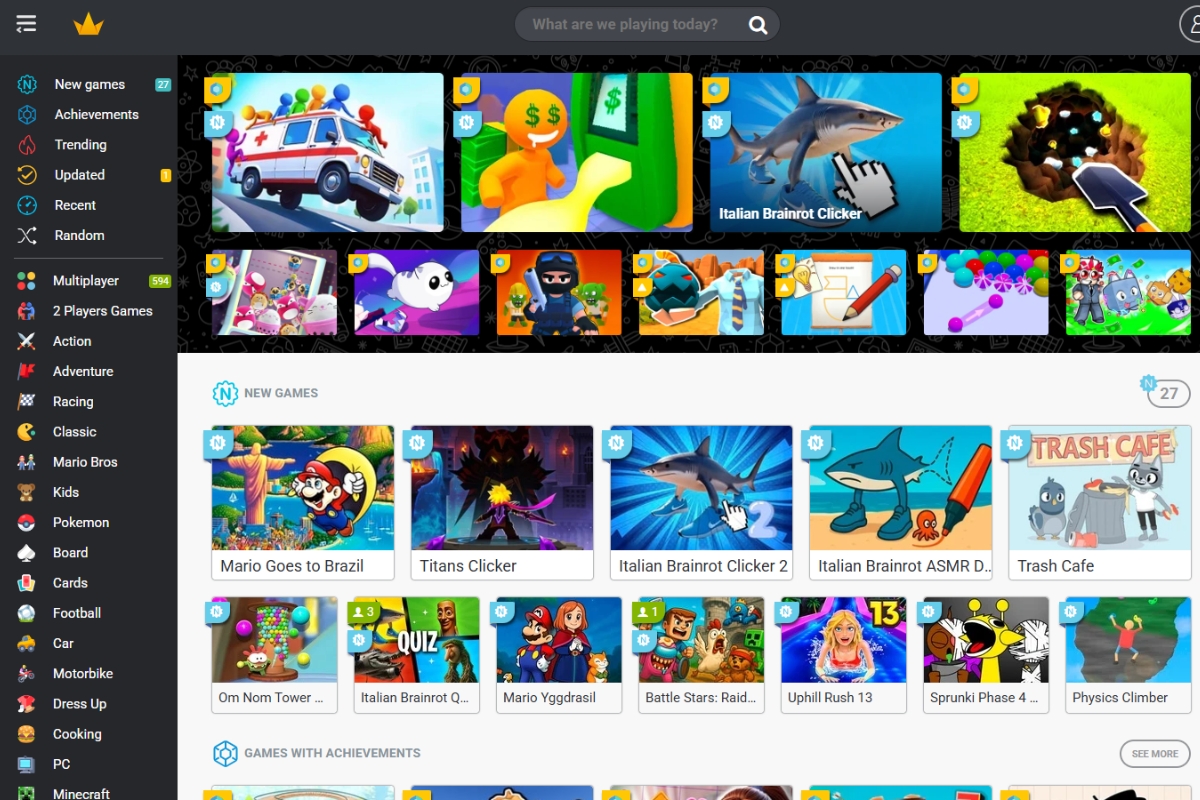
What Makes Brain Games a Gaming Staple?
What Are Brain Games Exactly?
Let's start with the basics: what are Brain Games? At their core, Brain Games are activities crafted to challenge and train your cognitive abilities. They're not just mindless entertainment; they're tools for mental fitness, much like how gym workouts build physical strength.
Think of Brain Games as a gym for your mind. They include everything from riddles and sudoku to more interactive experiences like memory matching or logic puzzles. For instance, a simple word search might seem easy, but it hones your pattern recognition and vocabulary skills. On the flip side, complex strategy games push your planning and decision-making.
Why do people love Brain Games? They're accessible to all ages—kids can build foundational skills, adults maintain sharpness, and seniors combat age-related decline. According to recent trends in 2025, brain training apps are booming, with market projections showing explosive growth due to increased focus on wellness.
But don't confuse Brain Games with video games. While some overlap exists, Brain Games prioritize cognitive enhancement over action or storylines. They're often backed by science, drawing from neuroscience principles to target specific brain functions.
Types of Brain Games to Explore
Diving deeper, Brain Games come in various flavors. Here's a quick rundown:
- Word-Based Games: These involve vocabulary, spelling, and language. Examples include crosswords, anagrams, or word associations. They're great for verbal fluency and can even help with learning new languages.
- Number Puzzles: Think sudoku, math riddles, or arithmetic challenges. These sharpen numerical reasoning and quick calculations.
- Logic and Reasoning Teasers: Puzzles like riddles or lateral thinking problems force you to think outside the box.
- Memory Exercises: Games where you recall sequences, faces, or patterns to boost short-term and long-term memory.
- Visual and Spatial Games: Spot-the-difference, mazes, or 3D puzzles that enhance observation and spatial awareness.
Each type addresses different cognitive domains, making Brain Games a versatile toolkit for mental health.
Benefits of Playing Brain Games Regularly
Ever asked yourself, "Do Brain Games really work?" The short answer is yes, with caveats. While they won't turn you into a genius overnight, consistent play offers tangible perks. First off, Brain Games improve cognitive function. Studies suggest they enhance memory retention, attention span, and processing speed. For example, playing memory games can help you remember names or lists better in daily life. They also reduce stress. In our hectic lives, a quick puzzle session acts like meditation, focusing your mind and easing anxiety. Imagine swapping doom-scrolling for a brain teaser—your mood might thank you. For older adults, Brain Games are a shield against cognitive decline. Research links regular mental stimulation to delayed onset of conditions like dementia. It's like investing in your brain's future. Kids benefit too. Brain Games foster problem-solving and critical thinking, skills essential for school and beyond. Plus, they're fun, turning learning into play. On the physical side, some Brain Games promote neuroplasticity—the brain's ability to rewire itself. This means you're not just maintaining skills; you're building new neural pathways.
"Incorporating Brain Games into your routine is like daily exercise for the mind. It builds resilience and sharpness over time," says Dr. Elena Ramirez, a renowned neuroscientist specializing in cognitive health.
But remember, variety is key. Mixing types prevents boredom and ensures balanced brain training.
How Brain Games Boost Mental Health
Beyond cognition, Brain Games support emotional well-being. They build confidence through small wins—solving a tough riddle feels empowering. In social settings, group Brain Games encourage interaction. Family game nights with trivia or puzzles strengthen bonds while sharpening minds. For professionals, Brain Games enhance focus and productivity. A quick session during breaks can reset your brain, leading to better work performance. Recent 2025 trends highlight hybrid games blending physical and mental elements, like AR puzzles, amplifying these benefits.
Top Brain Games for Beginners and Pros
Ready to try some Brain Games? Let's look at popular options, from free online ones to premium apps. For starters, Lumosity offers daily workouts tailored to your skills. It's user-friendly and tracks progress, making it ideal for newcomers. Games for the Brain provides endless quizzes and memory challenges—perfect for short bursts. If you prefer apps, Elevate focuses on reading, writing, and math with adaptive difficulty. For puzzles, Brain Out tests unconventional thinking with tricky riddles. Don't overlook classics: Sudoku for logic, crosswords for words.
Best Free Online Brain Games in 2025
With trends leaning digital, free platforms abound.
- Braingle: Riddles, trivia, and puzzles galore.
- BrainBashers: Stereograms, mazes, and logic games.
- Prodigy: Kid-friendly math teasers.
These sites update regularly, keeping content fresh. For mobile, try Brain Test—humorous puzzles that surprise.
Advanced Brain Games for a Challenge
Once comfortable, level up. Quantum puzzles or escape room apps demand strategy. Chess variants train foresight. Or try coding-based games like those on Codecademy, blending logic with tech. Dr. Marcus Hale, a cognitive psychologist, notes: "Advanced Brain Games push boundaries, fostering growth mindset and resilience."
Other Recommended Websites for Brain Games
Beyond the apps and platforms mentioned, here are some additional suggested websites that offer a variety of Brain Games and puzzles to keep your mind engaged. These sites provide free, browser-based access to casual games, many of which include brain-teasing elements like logic puzzles and strategy challenges, making them great alternatives for quick mental workouts.
- Friv-jogos.cfd: Friv Jogos is a free online gaming portal featuring browser-based games, including brain-teasing puzzles and logic games like 2048 and Cut the Rope, accessible on any device without downloads.
- friv-games.site: Friv Games offers a collection of casual online games, with puzzle categories that include brain challenges such as Bloxorz and Snail Bob, promoting problem-solving in a fun, ad-free environment.
- Arkadium.cfd: Arkadium.cfd provides free online puzzle, word, and card games like solitaire and crosswords, designed for casual brain-boosting sessions without downloads or overwhelming ads.
- Silvergames.cyou: SilverGames.cyou is a free gaming platform with a wide range of browser games, featuring puzzle and strategy titles that challenge the mind, optimized for seamless play across devices.
- Lagged.icu: Lagged.icu hosts over 5,000 free online games, including puzzle and strategy genres for mental workouts, with no downloads required and mobile optimization.
- Gamepix.sbs: GamePix.sbs is a browser-based platform with HTML5 games, emphasizing brain-focused content like sudoku and logic puzzles, suitable for all ages in a safe environment.
How to Incorporate Brain Games into Your Daily Routine
Wondering how to get started with Brain Games? It's simpler than you think. Set aside 10-15 minutes daily. Morning sessions kickstart your day; evenings unwind. Track progress with apps—they motivate through streaks and badges. Mix it up: Alternate types to avoid plateaus. For families, make it communal—compete or collaborate. Incorporate during commutes or waits—mobile Brain Games are portable.
Step-by-Step Guide to Starting Brain Games
- Assess your goals: Memory? Focus? Choose accordingly.
- Pick a platform: Free sites or apps.
- Start easy: Build confidence.
- Schedule sessions: Consistency matters.
- Review progress: Adjust as needed.
- Challenge yourself: Increase difficulty gradually.
This approach ensures sustainable habits.
Brain Games for Specific Age Groups
Brain Games aren't one-size-fits-all. Tailor them by age. For kids: Fun, colorful puzzles like those in MentalUP build basics. Teens: Strategy games enhance critical thinking. Adults: Balanced mixes for work-life harmony. Seniors: Gentle memory games maintain independence. 2025 trends show personalized apps using AI to adapt.
Brain Games for Kids: Fun Learning Tools
Engage children with interactive stories or animal-themed puzzles. Examples: Word hunts or shape sorters. They teach while entertaining, aligning with educational standards.
The Science Behind Brain Games
What makes Brain Games effective? Neuroscience holds clues. They activate prefrontal cortex for executive functions. Dopamine release from solving puzzles reinforces learning. Long-term, they may increase gray matter density. However, balance with real-life activities—Brain Games complement, not replace.
"The key is engagement; Brain Games that captivate yield the best results," advises Dr. Elena Ramirez.
Common Myths About Brain Games Debunked
Myth: They cure Alzheimer's. Reality: They delay symptoms, not cure. Myth: Only for smart people. No—they're for everyone. Myth: Digital better than analog. Both work; preference matters.
Brain Games and Technology in 2025
With AR/VR rising, immersive Brain Games are trending. Apps like Nerdle combine math with daily challenges. Hybrid casual puzzles blend action and thinking. Market growth: Brain training apps projected to hit $115 billion by 2034.
Choosing the Right Brain Games for You
Consider interests: Words? Numbers? Read reviews for quality. Free trials help test. Ensure variety for comprehensive training.
Brain Games in Education and Work
Schools use them for STEM. Workplaces for team-building. They enhance creativity and efficiency. Dr. Marcus Hale shares: "In professional settings, Brain Games spark innovation."
Potential Drawbacks of Brain Games
Overuse can cause fatigue. Not all games are evidence-based—choose wisely. Balance with physical exercise.
Future of Brain Games
2025 sees AI-personalized experiences. More inclusive designs for diverse needs. Integration with health trackers.
Wrapping Up: Embrace Brain Games Today
In summary, Brain Games offer endless benefits—from sharper cognition to stress relief. Whether you're a beginner or pro, incorporating Brain Games into your routine can transform your mental fitness. Why not start today? Pick a puzzle, challenge yourself, and unlock your mind's potential with Brain Games.
Ready to level up? Download an app or grab a puzzle book. Your brain will thank you.
FAQ
❓ What are the best Brain Games for improving memory?
Memory-focused Brain Games like matching pairs or sequence recalls work wonders. Apps such as Lumosity offer targeted exercises, helping retain information better in about 10-15 minutes daily.
❓ Do Brain Games actually make you smarter?
While they enhance specific skills like focus and problem-solving, Brain Games boost cognitive efficiency rather than raw IQ. Consistent play leads to noticeable improvements in daily tasks.
❓ Are there free Brain Games online?
Yes! Sites like Games for the Brain and Braingle provide endless free puzzles, from quizzes to logic teasers, accessible on any device without downloads.
❓ How often should I play Brain Games?
Aim for 15-30 minutes daily. Consistency is key—think of it as mental hygiene, preventing burnout while building habits for long-term benefits.
❓ Can Brain Games help with anxiety?
Absolutely. Engaging puzzles distract from worries, promoting mindfulness. Short sessions act like mini-meditations, reducing stress through focused achievement.
❓ What Brain Games are good for kids?
Kid-friendly options include word searches, math riddles, or app-based adventures like Prodigy. They make learning fun, fostering skills without feeling like homework.
❓ Are Brain Games effective for seniors?
Yes, they combat cognitive decline by stimulating memory and attention. Gentle games like sudoku or crosswords are ideal, supporting independence and mental sharpness.